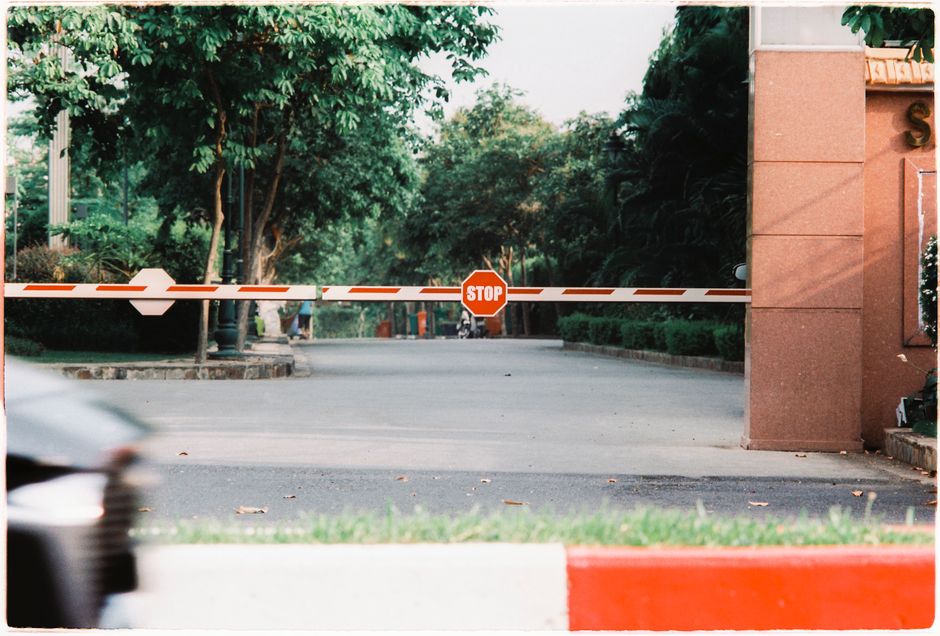
Common problems with driveway access for Chelsfield gardeners
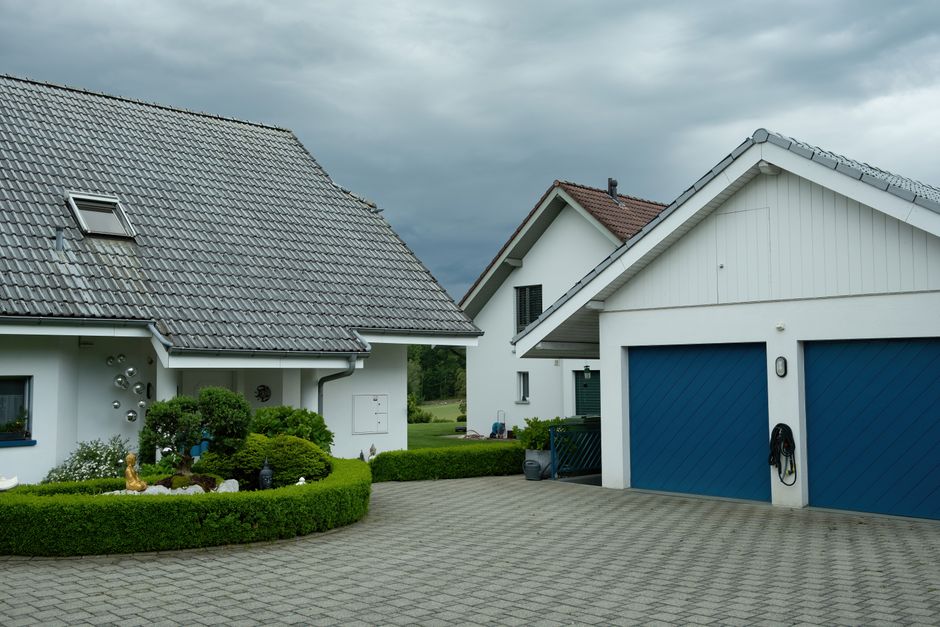
If you have ever watched a gardener arrive with a van full of tools, only to realise there is nowhere sensible to unload, you already know the frustration. Common problems with driveway access for Chelsfield gardeners can turn a simple maintenance visit into a slow, awkward puzzle. Narrow drives, blocked entrances, steep slopes, awkward turning space, fragile surfaces, and neighbour parking are all part of the real-world picture. In Chelsfield, where homes can vary from tight village plots to larger suburban gardens, access issues are often less about the garden itself and more about how people, tools, and waste can move safely in and out.
This guide breaks down the most frequent driveway access issues, why they matter, and what to do about them. You will also find a practical checklist, a comparison table, and a few grounded tips from day-to-day gardening work. No fluff, just the bits that actually help.
Why driveway access problems matter
Driveway access sounds like a small detail. In practice, it shapes the whole job. If a gardener cannot unload efficiently, cannot park legally or safely, or cannot get machinery close enough to the work area, time disappears fast. And time, as anyone who has ever wrestled a sack of compost across a front path at 8am will tell you, is not the only thing lost. Energy goes too.
For Chelsfield households, access problems can affect everything from routine lawn care to bigger jobs like hedge reductions, landscaping, fence repairs, or tree work. A blocked or tight driveway can mean more manual carrying, longer setup, higher risk of scuffed paving, and slower waste removal. It can also affect the final quote because the work becomes less straightforward.
The issue matters for the homeowner as well. Poor access can lead to damaged edges, broken gate latches, scratches on vehicles, or the dreaded extra pile of green waste left somewhere inconvenient because the van could not get close enough. That is hardly anyone's idea of a tidy finish.
There is also the planning side. A garden that looks simple from the back can be surprisingly awkward once equipment, wheelbarrows, and large materials enter the picture. Good access planning avoids that awkward moment where everyone is standing around, looking at the same narrow gap, and nobody is quite sure who is going first.
For broader garden planning, access can influence the style of work you choose. If you already know the driveway is tight, it may make sense to lean towards low-maintenance planting or container-focused ideas. Our guide to exploring the potential of container gardening is a useful place to start if you want flexibility without constant access headaches.
How driveway access affects garden work
Access is not just about whether a van can physically enter the drive. It is about the whole movement chain: arrival, unloading, working room, waste handling, and departure. If one part is awkward, the rest usually follows. That is the honest version.
Here is how the process usually plays out on a real job:
- Arrival and parking - The gardener needs a safe place to stop, ideally without blocking neighbours or creating a hazard.
- Unloading - Tools, fuel, hand equipment, mowers, and materials need to come out without damage to the driveway or the gear.
- Route to the garden - The path from drive to garden matters. A few metres can be fine; a long, narrow, muddy route can slow everything down.
- Working clearance - Even a small job needs space to turn, lift, trim, collect, and stack debris.
- Waste removal - Cuttings, soil, turf, timber offcuts, and packaging all need to leave the site cleanly.
Access problems often show up in small ways first. A wheelbarrow does not turn well on loose gravel. A mower handle bangs against a low wall. A hedge trimmer cannot be carried safely through a cramped side passage. None of this is dramatic on its own, but together it can make the work inefficient and, frankly, a bit fraught.
Weather adds another layer. After rain, a steep or uneven drive can become slippery. In summer, heavy paving can hold heat, making manual carrying more tiring. If your garden is already exposed to wind or drying conditions, it can help to combine access planning with overall garden resilience; the article on building a weather-resistant garden touches on sensible design choices that reduce long-term hassle.
Key benefits of sorting access early
Sorting out access before the work starts has a surprisingly long list of benefits. The obvious one is efficiency, but there are several others worth noting.
- Less risk of damage to paving, steps, gates, edging, and vehicles.
- Faster job completion because tools and waste move more smoothly.
- Clearer pricing since the scope is easier to estimate honestly.
- Safer working conditions for everyone on site.
- Better finish quality because the team can focus on the garden rather than wrestling access.
- Less disruption to neighbours and shared spaces.
There is also a knock-on benefit for the garden itself. Once access is simpler, ongoing maintenance becomes easier to keep up with. That is one reason many people look at practical, lower-fuss options such as low-maintenance garden ideas and even structured areas like vertical gardening innovations when space is tight.
To be fair, a good access plan can even make your property feel calmer. Fewer obstacles, less clutter, more flow. You notice it when you arrive home and the driveway simply works. It sounds simple because it is.
Who this is for and when it makes sense
This topic is relevant to a wider group than people first assume. If you are only having a quick tidy-up once a month, access might seem minor. But if you are booking regular maintenance, hedge trimming, turf work, landscaping, or tree surgery, it becomes much more important.
This is especially useful if you:
- have a narrow or shared driveway
- park multiple cars and leave little room for visitors
- live on a sloping plot or have steps leading from the drive to the garden
- have delicate surfaces such as decorative block paving or older slabs
- need regular visits for mowing, lawn care, or garden maintenance
- plan to move soil, timber, compost, or waste through the front of the property
- have a side passage that is tight, low, or uneven
It also matters for landlords, busy families, and anyone managing a neglected outdoor space. A garden in rough shape can take more effort to reach than to actually work on. If that sounds familiar, tackling neglected gardens is a sensible companion read before you begin.
And here is a small reality check: if access is already awkward now, it will not magically become easier when a bigger project starts. That is exactly why this is worth thinking about early rather than after the quote arrives.
Step-by-step guidance
If you want to make driveway access less stressful, the simplest approach is a proper walk-through before work begins. Nothing fancy. Just a structured look at how people and materials will move.
- Stand at the gate and the driveway entrance
Look at the width, turning angle, surface condition, and any obstacles. Bin storage, bikes, plant pots, and overgrown shrubs can all reduce usable space. - Measure the narrow points
Even a rough measurement helps. If a mower, wheelbarrow, or compost bag has to pass through a gap, check whether it is genuinely practical or only just possible. - Check for surface risks
Loose gravel, moss, steep cambers, cracked paving, or soft ground can all affect safe movement. This is especially important after rain. - Plan the route to the work area
Try to map the shortest sensible route. If the side access is too tight, another route may be safer even if it is longer. - Identify parking and unloading points
It helps to know where a van can stop without blocking the street or causing a nuisance. A little planning saves a lot of back-and-forth. - Agree waste handling in advance
Ask how clippings, branches, and old materials will be removed. If the access is poor, this may need a different workflow. - Remove temporary obstacles
Move cars, wheelie bins, toys, hoses, and anything that narrows the drive. Yes, even the one plant pot that is always in the way. - Review before the team starts
On arrival, a quick real-time check helps spot anything the earlier plan missed.
If you are dealing with edges, surfaces, or hard landscaping along the access route, pairing this with services like patio cleaning or landscaping can make the whole movement path much easier to manage in the long run.
Expert tips for better results
Here is the part that tends to save the most time. In our experience, the best access solutions are usually the boring-looking ones. Not glamorous, but very effective.
- Keep the access route clear the night before. It sounds obvious, yet it is the most common fix that gets forgotten.
- Use temporary surface protection if there is a risk of staining or marking on fresh paving, resin, or light-coloured stone.
- Choose the right tools for the route. A compact mower or smaller hand tools can be a smarter choice where space is tight.
- Think about timing. A quiet early-morning arrival can be easier than trying to manoeuvre around school runs, deliveries, and neighbours leaving for work.
- Trim back encroaching planting near the drive. Overgrown shrubs make every trip in and out more awkward than it needs to be.
- Make access part of the maintenance rhythm. Don't leave it as a one-off problem. It tends to return.
A small but useful habit is to revisit the route after a few months and ask: is it still practical? Gardens change. Hedges spread, gravel shifts, and parked cars multiply like they have a mind of their own. That is just life, really.
If privacy planting is part of your garden plan, choose species and placements carefully so they do not steal the movement space you need. This article on hedge plants for privacy is helpful if you want screening without creating a driveway squeeze.
And if your garden gets exposed to drying winds along the approach, a bit of strategic shelter can help. Building windbreaks can be a smart part of the wider layout conversation.
Common mistakes to avoid
The biggest access problems often come from assumptions. People assume there will be room, assume the van will fit, or assume a wheelbarrow can simply be pushed through anywhere. Sometimes it can. Often, not quite.
- Leaving parked cars in place and expecting the team to work around them.
- Forgetting about turning space at the end of a drive or near gates.
- Ignoring soft or uneven surfaces that become slippery or unstable once equipment starts moving.
- Underestimating waste volume after hedge cutting, pruning, or clearance work.
- Choosing oversized machinery for a site that really needs a compact approach.
- Not mentioning access problems until the day of the job, which can create delays and awkward decisions.
One subtle mistake is treating access as separate from garden design. In reality, the two are linked. A lovely border can still be frustrating if it narrows the route to the back garden. Likewise, a stylish seating area can make movement harder if it is placed across the natural working line. If you are thinking about layout, the piece on thoughtful seating design offers a useful perspective on balancing beauty with usability.
Another common one: people tidy the garden but forget the drive itself. A clean access route is a big help. Even a quick sweep can prevent slips, scrapes, and those annoying little delays that add up.
Tools, resources and recommendations
The right tools make access work much easier. Some are obvious, some less so.
- Compact wheelbarrow or garden trolley for narrow paths and repeated trips
- Foldable hand tools when storage and movement space are limited
- Tarpaulins or sacks for collecting debris neatly before moving it
- Surface protection sheets for delicate paving or fresh hard landscaping
- Gloves with a good grip for carrying awkward items safely
- Garden hose or brush to clear mud and debris from the access route
For more on practical kit, the guide to indispensable gardening tools is a solid companion piece. It is not all about big machinery; sometimes the best tool is the small one that gets through a tight space without drama.
If you are planning a garden change rather than just routine maintenance, it can also help to think about storage, path width, and the route for future work vehicles. That is where garden maintenance and lawn care planning can overlap in a useful way.
And if a hedge is the thing blocking access, trimming it properly can make a surprising difference. See hedge trimming in Chelsfield for a service page that fits this kind of problem neatly.
Law, compliance and best practice
There is no single universal rule that says exactly how a driveway must be arranged for gardening work, but there are sensible UK best-practice expectations around safety, access, and responsibility. That includes avoiding blocked pavements, reducing trip hazards, and making sure work can be done without putting people or property at avoidable risk.
If work involves machinery, lifting, or repeated carrying, a careful safety approach is essential. Good gardeners will usually think about manual handling, slip risks, and whether a job can be done safely with the access available. If something feels too tight, too steep, or too unstable, it should be reassessed rather than pushed through. That is not overcautious. It is just sensible.
Property owners also have a role to play. If a shared driveway, neighbour boundary, or communal approach is involved, communication matters. Keep things polite and clear. In real life, a quick conversation can prevent a minor access issue becoming a neighbourly saga.
For businesses and homeowners alike, it is wise to refer to the site's own health and safety policy and insurance and safety information if you want a better sense of how careful working practices are handled. Privacy and payment matters are also worth checking, especially if you are comparing providers; the pages on privacy policy and payment and security are part of that trust picture.
Best practice, in plain English, is simple: tell the truth about the access, work within the limits of the site, protect surfaces where needed, and leave the property as tidy as you found it. That is the standard most people hope for, and rightly so.
Options and comparison table
Different access problems need different responses. A narrow drive is not the same as a long side passage, and a steep slope is not the same as a shared entrance. The table below gives a practical comparison.
| Access issue | Typical challenge | Best approach | Useful note |
|---|---|---|---|
| Narrow driveway | Limited space for vans and unloading | Compact tools, clear unloading plan, staged carrying | Often manageable with good preparation |
| Shared drive | Parking conflicts and neighbour access | Agree timings in advance and keep entrance clear | Communication matters as much as tools |
| Steep or sloped access | Slips, strain, difficult trolley movement | Safer lifting, better grip, smaller loads | Rain makes this worse very quickly |
| Fragile paving | Damage, staining, scuffs | Surface protection and careful routing | Especially important on decorative finishes |
| Blocked access | Bins, cars, bikes, and stored items in the way | Pre-job clear-out and simple staging area | The cheapest fix is usually moving clutter |
In a few cases, the best option is not to force a method at all. If access is clearly too restrictive for heavy work, the job may need to be broken into smaller stages. That can be a little slower, but it often produces a cleaner, safer result.
Case study or real-world example
A typical Chelsfield scenario goes something like this. A homeowner wants a hedge reduced, the lawn tidied, and a pile of old cuttings removed. The driveway is shared, the gate is narrow, and two cars are normally parked at the front. On paper, it sounds straightforward. In reality, it is a jigsaw.
Before the visit, the access route is checked. One car is moved, the bins are tucked aside, and the homeowner clears a stack of plant pots from the path. The gardener arrives with smaller hand tools for the tight section and a trolley for cuttings. Instead of trying to force a large mower through a cramped route, the work is done in stages. Waste is bagged in manageable loads rather than piled high and dragged awkwardly.
The result? Less stress, less risk of scuffed paving, and a better finish. Nothing dramatic. Just smoother working. Truth be told, that is often what good gardening looks like behind the scenes.
For a neglected space, this approach pairs well with a phased refresh. You could begin with the first clear-up, then move into planting, layout, and finishing touches once the access route is workable. If the project grows beyond the original tidy-up, the broader gardening services page can help frame the next stage, while about us is useful if you want a sense of the team behind the work.
Practical checklist
Use this quick checklist before any gardening visit or project that relies on driveway access.
- Are all parked cars moved or planned around?
- Is the driveway entrance clear and visible?
- Are bins, bikes, and stored items out of the main route?
- Is the surface dry enough and safe enough for carrying?
- Is there enough turning room for the planned equipment?
- Has the access route from drive to garden been checked?
- Will waste have a clear path back out?
- Have neighbours been informed if shared access is involved?
- Are fragile areas protected?
- Has the team been told about any steep sections, low gates, or awkward corners?
If you can answer yes to most of those, you are in good shape. If not, it is worth pausing and sorting the access first. That five-minute reset can save half an hour later. Sometimes more.
For homeowners who want to make the route easier over time, a few design choices help a lot: better surface finishes, smarter planting near boundaries, and more practical storage for tools and bins. Small changes, but they stack up.
Key takeaway: driveway access is not a side issue. It affects speed, safety, cost, quality, and even neighbour relations. The earlier you plan it, the easier the gardening work becomes.
Need help turning a tricky entrance into a workable one? The simplest next step is to get the access looked at properly before the job begins.
Get a free quote today and see how much you can save.
Conclusion
Common driveway access problems for Chelsfield gardeners are rarely about one big obstacle. More often, they are a chain of small frustrations: a narrow gate, a parked car, a steep edge, a slippery surface, a hedge that has grown a little too confident. But once you spot the pattern, it becomes much easier to manage.
The good news is that most access issues can be handled with clear planning, honest communication, and the right tools. A tidy route, a sensible unloading plan, and a little forethought often make the whole job feel lighter. And in garden work, lighter usually means better.
So if your driveway feels like the awkward part of the property, do not ignore it. Deal with it early, keep it practical, and let the garden be the easy bit for once.
Frequently Asked Questions
What are the most common driveway access problems for gardeners in Chelsfield?
The most common issues are narrow entrances, blocked parking, steep slopes, fragile paving, shared access, and side passages that are too tight for larger tools or waste bags.
Why does driveway access change the cost of garden work?
Poor access can make a job slower and more physically demanding. It may also require smaller tools, extra carrying, more careful waste handling, or additional surface protection.
Can gardeners still work if the driveway is very narrow?
Usually yes, but the job may need a different setup. Compact equipment, staged unloading, and a clearer route often make narrow drives workable.
What should I do before a gardener arrives?
Move cars, bins, bikes, and anything else that blocks the route. If possible, leave a clear path from the driveway to the work area and mention any awkward spots in advance.
Do shared driveways cause more problems?
They can, mainly because parking and movement need a bit more coordination. Clear timing and a polite heads-up to neighbours usually help a lot.
Is a steep driveway a safety risk?
Yes, it can be. Slopes become more challenging in wet weather, and carrying tools or waste uphill or downhill can increase the chance of slips or strain.
How can I protect decorative paving during garden work?
Use temporary surface protection where needed, keep wheelbarrows and heavy items on the safest route, and avoid dragging sharp or heavy tools across the surface.
What happens if waste cannot get out through the driveway?
Then the job may need to be handled in smaller loads, staged collection, or an alternative route. Planning waste removal early is a lot easier than solving it at the end.
Should I mention access problems when asking for a quote?
Absolutely. Access details help create a more accurate estimate and reduce the chance of delays on the day. It also helps the team bring the right equipment.
Are there UK rules about blocking the pavement while loading garden tools?
There is no one-size-fits-all rule for every situation, but blocking pavements or creating hazards should be avoided. Safe, considerate loading and unloading is the norm.
What if my garden has both access problems and overgrown hedges?
That is common. In fact, overgrown hedges often make access worse by narrowing the route. Cutting them back can improve both movement and visibility.
What is the best first fix for driveway access issues?
The best first fix is usually decluttering the route. Moving cars, bins, and loose items often creates more usable space than people expect.
Can access problems affect hedge trimming or tree work more than lawn care?
Yes. Bigger or heavier jobs such as hedge trimming and tree work tend to be more sensitive to access limitations because they often involve larger tools and more waste.
Where can I learn more about services that might help with access-related garden work?
You can look at pages such as garden maintenance, hedge trimming, landscaping, and tree surgery to see how different types of work may be planned around tricky access.