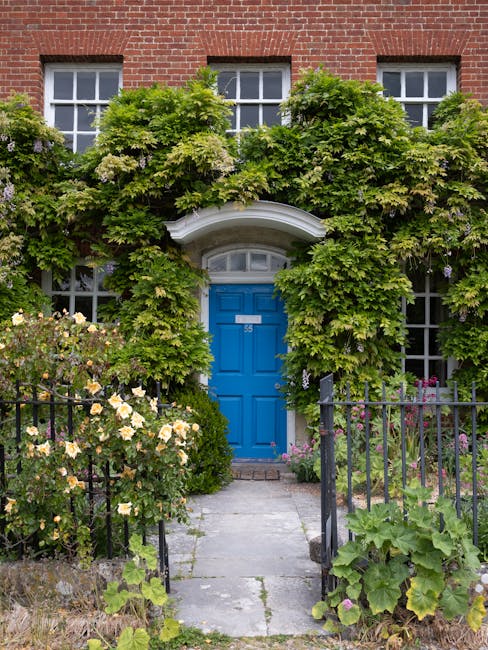
Chelsfield gardeners guide to Chelsfield Station front gardens
If you walk past a front garden near Chelsfield Station on a damp March morning, you notice everything. A clipped hedge looks sharp. A tired lawn, by contrast, looks a bit defeated before the day has even started. That is why this Chelsfield gardeners guide to Chelsfield Station front gardens matters: front spaces here do more than look nice. They frame a home, handle foot traffic, deal with shade, dust, wind, and the odd skipped week of maintenance, and they have to do it all gracefully.
This guide is written for homeowners, landlords, and anyone trying to keep a front garden tidy, welcoming, and realistic to maintain. You will find practical planting ideas, maintenance routines, design choices, and a few honest warnings about what goes wrong most often. Nothing fussy. Nothing overblown. Just useful guidance that helps you make better decisions, whether you want a low-maintenance entrance or a front garden that quietly stands out for the right reasons.
Table of Contents
- Why Chelsfield gardeners guide to Chelsfield Station front gardens Matters
- How Chelsfield gardeners guide to Chelsfield Station front gardens Works
- Key Benefits and Practical Advantages
- Who This Is For and When It Makes Sense
- Step-by-Step Guidance
- Expert Tips for Better Results
- Common Mistakes to Avoid
- Tools, Resources and Recommendations
- Law, Compliance, Standards, or Best Practice
- Options, Methods, or Comparison Table
- Case Study or Real-World Example
- Practical Checklist
- Conclusion
- Frequently Asked Questions
Why Chelsfield gardeners guide to Chelsfield Station front gardens Matters
Front gardens near a station tend to work harder than people expect. They are seen more often, they age faster, and they are usually judged in passing, in a matter of seconds. That means the basics matter: neat edges, healthy planting, clean paths, balanced height, and a design that still looks composed when the weather turns or maintenance slips for a week or two.
In Chelsfield, many front gardens sit somewhere between decorative and practical. Some are small and set close to the pavement. Others have driveways, boundary hedges, or planting beds that need a clear visual structure. The best results usually come from treating the front garden as a system, not a collection of separate bits. Soil, drainage, planting density, access, and visibility all affect one another. It sounds obvious, but you would be surprised how often a beautiful shrub is planted in the wrong place and ends up blocking sightlines or creating future maintenance headaches.
There is also a strong local logic to front garden design around station routes. People come and go all day. Pavements carry more foot traffic. Mud, leaf drop, and salt can be more noticeable in winter. A front garden needs to look calm through all of that. A bit like a good shop window, really, except with more rain.
How Chelsfield gardeners guide to Chelsfield Station front gardens Works
The process starts with the conditions, not the wish list. That is the part many homeowners skip. Before choosing plants or hard landscaping, a gardener should assess sun, shade, wind exposure, soil quality, water runoff, and how the space is actually used. A front garden beside a station route may need more resilience than flair, or at least flair that can survive a rough Tuesday.
From there, the layout is shaped around movement and visibility. Where do people walk? Where does a bin need to pass? Is there enough room to prune the hedge without leaning into the road? Does the garden need screening from passers-by, or is a more open, welcoming look better? These questions guide the whole plan.
Then comes the planting strategy. In practice, front gardens work best when they combine structure and softness. Structure might come from evergreen shrubs, clipped hedging, low walls, or a repeating pattern of containers. Softness comes from perennials, ground cover, seasonal colour, or a few carefully chosen climbers. If you want to make maintenance easier, that structure is doing a lot of the heavy lifting.
For many homes, a useful starting point is a tidy baseline service such as regular garden maintenance, followed by targeted improvements like hedge trimming in Chelsfield or lawn care. That keeps the space looking intentional while you decide what kind of front garden you really want.
Key Benefits and Practical Advantages
A well-planned front garden does more than boost kerb appeal. It creates a sense of order, and order has a quiet effect on how a property feels. You notice it when you arrive home. You also notice it when you leave in the morning and the view from the pavement is calm rather than cluttered.
- Better first impressions: a neat frontage makes even a modest property feel more cared for.
- Lower stress maintenance: sensible planting and layout reduce the amount of weekly effort required.
- Safer access: clearer paths, better visibility, and less overgrowth improve everyday movement.
- Improved resilience: front gardens that are matched to local conditions cope better with dry spells, wind, and winter wear.
- More privacy without bulk: the right hedge or climber can soften a boundary without making the place feel closed off.
Another benefit is practical value over time. A good front garden does not need constant reinvention. If the bones are right, you can refresh the look with seasonal pots, a new mulch layer, or sharper edging. That is much easier than trying to rescue a messy design later. If a space is already overrun, a guide like first moves for a neglected garden makeover can help you reset it without doing everything at once.
Expert summary: front gardens near Chelsfield Station work best when design, maintenance, and everyday access are planned together. If one of those is ignored, the whole space becomes harder to keep tidy.
Who This Is For and When It Makes Sense
This approach makes sense if your front garden is visible from the street, close to a footpath, or regularly used for parking, bins, deliveries, or bikes. In those spaces, a decorative-only mindset rarely works. The garden needs to be practical first, then attractive.
It is especially relevant if:
- you want a front garden that looks presentable year-round;
- your current planting feels patchy, overgrown, or too high-maintenance;
- you need screening but still want light and openness;
- you are preparing a property for sale or rental;
- you have limited time and want low-maintenance structure;
- your soil is dry, shallow, compacted, or generally a bit awkward.
It also suits people who like to improve things gradually. Not every front garden needs a full redesign. Sometimes the smartest move is to improve the hedge line, refresh the lawn, and add two or three well-placed planters. Simple, but neat. And to be fair, simple is often what lasts.
Step-by-Step Guidance
1. Start with a quick site assessment
Look at the garden at different times of day if you can. Morning light, afternoon shade, and evening exposure all matter. Notice where rainwater collects, where soil dries out first, and where the wind seems to funnel through. If the space gets thirsty quickly, you may want to keep one eye on early signs of drought damage before stress becomes visible.
2. Define the purpose of the space
Ask what the garden is meant to do. Does it need to frame the house? Hide bins? Support parking? Soften a wall? Encourage a more welcoming entrance? A front garden with too many jobs often ends up looking confused, so choose the main function first.
3. Choose the right structure
Structure can come from hedging, repeated pots, edging, or a compact shrub bed. If privacy matters, evergreen hedges and screen planting are strong options, especially when kept under control with regular trimming. For a more open feel, low mounds of planting and simple lines usually work better.
4. Layer the planting
Use tall, medium, and low layers rather than one single level of planting. A few evergreen anchors, some seasonal interest, and a resilient ground layer give the garden texture without clutter. If you need ideas for coverage, ground cover choices for UK gardens can help you reduce bare soil and limit weed pressure.
5. Improve the soil before adding more plants
Front gardens often get compacted soil from repeated use or construction work. That means plants struggle even when the design looks fine on paper. Compost, organic matter, and careful cultivation can change that quite quickly. There is a good reason experienced gardeners talk about soil first; it really does make the rest easier. For a deeper approach, see organic recycling for healthier soil.
6. Add the finishing details
Once the main planting is in place, tidy edges, mulch beds, clean hard surfaces, and check visibility from the road. A front garden can look 20% better with surprisingly small adjustments. A little edge crispness goes a long way. Almost annoyingly so.
Expert Tips for Better Results
After you have handled enough front gardens, a few patterns become obvious. The best-looking ones are not always the most expensive. They are usually the most consistent.
- Repeat plants deliberately: repetition is calmer than a mixed jumble of one-of-everything.
- Keep heights under control near sightlines: entrances and driveways need good visibility.
- Use containers to test ideas: if you are unsure about colour or scale, start with pots before committing to borders. Container gardening is very useful here.
- Choose maintenance you can repeat: a beautiful design that needs weekly fuss is not low-maintenance, no matter what anyone says.
- Prune early, not late: shaping hedges and shrubs before they get unruly saves time and keeps them denser.
- Think seasonal contrast: evergreen structure plus one or two seasonal highlights is usually enough.
A small practical tip: if the front garden is visible from the kitchen window, choose at least one feature you enjoy seeing in poor weather. Maybe a clean silver-leaved shrub, a bright winter stem, or a simple bench. That little mood lift matters more than people admit.
For homeowners who like a softer, more contemporary finish, thoughtful seating design can help turn a front garden from "looked at" into "lived with", even if the seating is just a compact perch tucked away from the main path.
Common Mistakes to Avoid
There are a few classic mistakes that keep showing up in front gardens around station areas. They are easy to make and annoyingly expensive to fix later.
- Over-planting: too many shrubs in a small space usually means poor airflow and constant pruning.
- Ignoring access: if the gate swing, bin route, or path is awkward, you will feel it every week.
- Choosing high-maintenance plants for a busy home: lovely in theory, punishing in practice.
- Blocking windows or sightlines: a front garden should frame the property, not hide it.
- Forgetting weeds and edges: once these are neglected, the whole space looks untidy very quickly.
- Leaving soil bare: exposed soil dries out, weeds faster, and often looks unfinished.
One more thing: people often install a nice new hedge and then never set aside time for trimming. That is how a neat boundary becomes a bristly green wall. If privacy planting is part of your plan, review evergreen hedge plant options and think carefully about mature size before planting. Future-you will be grateful. Probably with tea.
Tools, Resources and Recommendations
You do not need a shed packed with gear to keep a front garden in shape, but a few good tools make the work much easier. The real win is consistency, not gadgetry. Still, the right kit saves time and reduces frustration.
- Secateurs and loppers: for light pruning and woody stems.
- Hedge trimmers: useful if you have a formal boundary hedge.
- Border spade or trowel: for planting and edging.
- Leaf rake and hand fork: good for clearing debris and loosening compacted spots.
- Watering can or hose attachment: especially helpful in dry spells and for new plants.
- Mulch and compost: not glamorous, but they keep the whole system working.
If you are building from scratch or improving a neglected frontage, it helps to think about related services as part of the same plan. Gardening services can cover the broad picture, while landscaping is useful when layout, drainage, or hard features need attention. For smaller jobs, lawn mowing and patio cleaning can instantly sharpen the feel of the frontage.
If the garden feels tired but salvageable, the practical route is often a tidy-up first, then gradual improvements. And if you are still choosing where to begin, the article on indispensable gardening tools is a helpful reality check on what you actually need versus what just looks nice in a catalogue.
Law, Compliance, Standards, or Best Practice
Front gardens are not usually the place for heavy regulation talk, but there are still sensible UK best practices to keep in mind. If a hedge, tree, fence, or wall affects visibility near a driveway or pavement, it should be managed with care. Overgrown planting can create nuisance, reduce sightlines, or make access awkward for pedestrians. In plain English: if it causes a hazard or blocks movement, it needs addressing.
Tree work and larger pruning jobs should be handled carefully, especially where branches overhang roads, paths, or neighbouring property. Safety matters more than speed. If the garden includes mature trees or large woody shrubs, tree surgery may be the right specialist support rather than a quick trim. Similarly, damaged fencing or boundary issues are best dealt with properly, not patched in a rush. That is where fencing services can help restore both function and appearance.
For any contractor working on site, it is sensible to ask about insurance, working practices, and how waste is handled. The site's insurance and safety information, health and safety policy, and terms and conditions are worth reviewing before work begins. If you ever need to understand how issues are handled, complaints procedure and payment and security are sensible pages to check too. That is just good housekeeping, really.
Also, if you are comparing quotes, look for clarity around what is included: planting, waste removal, hedge disposal, pruning, aftercare, and any follow-up visits. Ambiguity is where costs drift.
Options, Methods, or Comparison Table
There is no single right way to approach a front garden near Chelsfield Station. The best method depends on time, budget, and how formal you want the frontage to feel.
| Approach | Best for | Pros | Trade-offs |
|---|---|---|---|
| Low-maintenance planting | Busy households, rental properties, smaller budgets | Fewer weekly tasks, clean appearance, easier to keep tidy | Can look plain if not layered well |
| Formal hedge and edging | Properties needing structure and privacy | Sharp visual lines, strong kerb appeal, clear boundary | Needs trimming and seasonal upkeep |
| Mixed border with shrubs and perennials | Homeowners who want colour and texture | More interest through the seasons, softer look | Requires more planning and occasional replanting |
| Container-led frontage | Small spaces or paved entrances | Flexible, easy to refresh, good for testing styles | Pots need watering and can dry quickly |
For a lot of homes, the sweet spot is a hybrid: evergreen structure at the boundary, one or two statement containers near the door, and a simple planting layer that keeps weeds down. If the site is windy or exposed, building windbreaks can make a surprising difference to plant health and comfort. Small fix, big effect.
Case Study or Real-World Example
A typical front garden near a station might start out like this: tired lawn, a few overgrown shrubs, bare soil under the hedge, and a path that looks dull by winter. Nothing disastrous. Just a bit worn down.
In one common kind of makeover, the first step is not new planting. It is removal and reduction. The gardener clears out weak shrubs, reduces the hedge to a manageable line, improves the soil with compost, and defines the path edge. Then they add evergreen structure at the back, a low-maintenance ground layer at the front, and a couple of containers by the entrance for colour. If the site has children or pets, the planting choices become sturdier and less fragile too, because nobody wants a nice border flattened by a football on a wet afternoon.
The result is usually not dramatic in a glossy-magazine sense. It is better than that. It is usable. It looks tidier on Monday morning and still presentable on Friday evening. It feels like the home is being looked after, which is the real point.
When the space is especially compact, some homeowners pair simple planting with a small seating or pause area, taking ideas from zen garden ideas to create a calmer entrance. Not every front garden needs to shout. Some just need to breathe.
Practical Checklist
Use this quick checklist if you are planning work on a front garden near Chelsfield Station:
- Check sun, shade, wind, and drainage before choosing plants.
- Decide whether the priority is privacy, curb appeal, access, or all three.
- Keep sightlines clear near gates, driveways, and paths.
- Choose plants that match the time you actually have for maintenance.
- Improve compacted soil before planting.
- Use mulch to reduce weeds and slow moisture loss.
- Trim hedges early enough to prevent heavy overgrowth.
- Clean hard surfaces so the whole frontage looks finished.
- Make sure containers and borders do not block movement.
- Review safety, insurance, and quote details before hiring help.
If you want a simpler starting point, low-maintenance garden ideas can help narrow the options down without making the space feel boring.
Conclusion
The best front gardens near Chelsfield Station are not the flashiest ones. They are the ones that stay tidy, work with the house, and still look alive in the middle of an ordinary week. That is the real standard. If you get the structure right, choose resilient planting, and keep the maintenance realistic, the whole place starts to feel easier. Lighter somehow.
Whether you are refining a small frontage, dealing with an overgrown hedge, or starting from a neglected patch, the key is to think in layers: access, structure, planting, and upkeep. Get those in the right order and the results usually follow. Not instantly, perhaps. But steadily. And that is often better.
If you are ready to improve your frontage and want support from a local team that understands practical garden work in Chelsfield, take the next step today.
Get a free quote today and see how much you can save.
Frequently Asked Questions
What makes a front garden suitable for a station area like Chelsfield?
A station-area front garden needs to stay neat, accessible, and resilient. It should handle more passers-by, occasional debris, and regular visibility from the street without looking untidy after a few days.
How can I make a small front garden look bigger?
Use simple repetition, low planting, and clear edges. Avoid overcrowding. A couple of well-placed containers and a tidy path often create more space visually than a lot of mixed planting.
What are the best low-maintenance plants for front gardens?
Evergreen shrubs, tough ground cover, compact ornamental grasses, and hardy perennials are often reliable. The best choice depends on sun, shade, and how much pruning you are willing to do.
Do I need a hedge if I want privacy?
Not always. A hedge works well if you want a natural screen, but layered planting, fences, and climbers can also give privacy. The right option depends on how open or enclosed you want the space to feel.
How often should a front hedge be trimmed?
That depends on species and growth rate, but many hedges benefit from regular seasonal trimming to keep shape and prevent them from becoming too wide or tall. Letting them go too long usually creates more work later.
Can I improve a front garden without redoing everything?
Yes. In many cases, clearing weeds, improving soil, trimming hedges, and adding mulch or fresh containers makes a noticeable difference. You do not always need a full redesign.
What should I do first if my front garden is neglected?
Start by removing dead growth, cutting back overgrown areas, and defining the edges. Once the space is readable again, it becomes much easier to decide what stays and what goes.
Are container gardens a good choice near a front entrance?
Yes, especially where planting space is limited. Containers are flexible and easy to refresh, though they need watering and occasional feeding, so they are not completely hands-off.
How do I stop weeds from taking over front borders?
Use mulch, keep soil covered with plants where possible, and remove weeds early before they set seed. A dense, healthy border usually beats a bare one every time.
Do I need professional help for front garden work?
Not for every job, but professional help can be useful if the garden is overgrown, the hedge is large, the layout needs improving, or you want the results to last without constant catching up.
What should I check before hiring a gardener?
Look at insurance, safety practices, what is included in the quote, how waste is handled, and whether the work is clearly described. A good conversation up front saves trouble later.
Can a front garden be both attractive and pet-friendly?
Absolutely. The key is choosing sturdy plants, avoiding fragile edging, and planning paths and boundaries so the space still works when pets are in and out regularly.
What is the easiest way to keep the garden looking neat year-round?
Keep on top of edges, hedges, and weeds. Those three areas usually decide whether a front garden looks cared for or a bit forgotten, even when everything else is fine.
How do I choose between a lawn and a planted frontage?
If you want a softer traditional look and can commit to mowing, a lawn works well. If you want lower maintenance, planting with ground cover or shrubs is usually the better long-term choice.