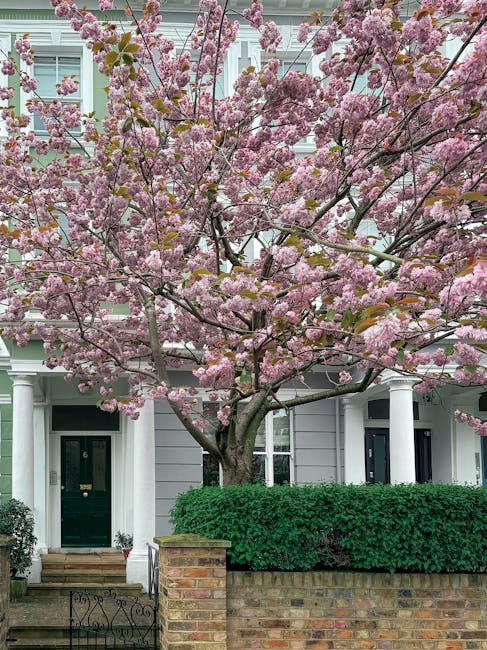
Gardeners Chelsfield Village Planting Plan for Small Front Yards
Small front yards can do a lot more than people expect. With the right planting plan, even a narrow strip beside a path or a modest paved frontage can feel welcoming, tidy, and properly finished. This guide to a Gardeners Chelsfield Village planting plan for small front yards is built for real homes, real weather, and real budgets. Whether you want more privacy, better year-round colour, or a low-maintenance layout that does not turn into a weekend chore, the trick is to plan with restraint and purpose. Not every front garden needs to be bursting with plants. In fact, the best ones usually aren't.
Below, you'll find a practical approach to designing a front-yard planting scheme that works in a village setting, suits compact spaces, and keeps kerb appeal strong without making the entrance feel cramped. We'll cover structure, plant choice, soil prep, maintenance, common mistakes, and a realistic example you can adapt at home.
Why Gardeners Chelsfield Village Planting Plan for Small Front Yards Matters
A front yard is doing a lot of work, even if it's only a few square metres. It frames the house, guides visitors to the door, softens hard edges, and quietly sets the tone for the whole property. In Chelsfield Village, where frontages often need to balance charm with practicality, a well-thought-out planting plan can make a compact space feel intentional rather than squeezed.
The main reason this matters is proportion. Small front yards can go wrong very quickly: too many plant varieties, too much height at the boundary, or a mix of materials that compete with each other. Suddenly the space looks busy, not beautiful. A structured planting plan keeps the garden readable at a glance. You know where the eye should land first, where the seasonal interest sits, and how the space will behave in winter when the flowers have packed up and gone home.
There's also a practical side. A small front yard usually needs to cope with foot traffic, rain splash, shade from the house, and the occasional delivery driver taking a shortcut. Planting needs to survive all that while staying neat. That means choosing the right plants for the right spot, rather than simply buying whatever looks cheerful in the nursery on a sunny Saturday morning. We've all done it. It never ends quite as hoped.
If you're already thinking about broader improvements, a front-yard plan often works best alongside wider garden care such as regular garden maintenance or a more complete gardening services visit. That way, the planting does not become a one-off flourish that fades after the first season.
How Gardeners Chelsfield Village Planting Plan for Small Front Yards Works
The planning process is simpler than people fear, but it has to be done in the right order. The space is measured, the conditions are assessed, and then the planting is layered so each part has a job. Think of it like building a small stage set: the front row should be low and tidy, the middle layer should provide shape, and the back layer should create structure without bullying the rest.
In practice, a good small-front-yard planting plan usually includes four zones:
- Structural plants for shape and all-year presence, such as small evergreens or clipped shrubs.
- Seasonal interest plants for colour, texture, scent, or pollinator value.
- Ground layer planting to suppress weeds and soften bare soil.
- Access and visibility zones near paths, gates, doors, and windows so the space stays practical.
The design should also reflect sunlight, wind, drainage, and privacy needs. A north-facing front yard, for example, is not the place for a full sun drought scheme unless you enjoy disappointment. On the other hand, a sheltered south-facing frontage can support more flowering plants and a stronger fragrance planting palette.
For many homes, the most effective approach is to combine a simple framework with low-maintenance planting. A narrow bed along a boundary, a pair of compact feature shrubs near the entrance, and a strip of ground cover can create far more impact than scattering lots of separate pots around the place. If you need ideas for tight planting spaces, the guide on vertical gardening for compact spaces can be surprisingly useful, especially where floor space is limited.
Key Benefits and Practical Advantages
A smart planting plan gives you more than just visual appeal. It solves everyday problems in a way that feels calm and unobtrusive. That's the goal, really: a front garden that works quietly in the background while making the house look cared for.
- Better kerb appeal: Even simple planting lifts the whole frontage and makes the entrance feel more polished.
- Clearer boundaries: Low hedging, compact shrubs, and ground cover can define edges without making the space feel closed in.
- Lower upkeep: The right plant combinations reduce weeding, dead-heading, and constant reshaping.
- More seasonal interest: A layered plan keeps the garden attractive beyond spring and summer.
- Improved microclimate: Plants can reduce glare, soften wind, and make paving and walls feel less harsh.
- Better use of awkward corners: Small yards often have a narrow side strip or a patch of awkward shade. Thoughtful planting turns those bits into features.
There's a nice side effect too: a front yard with balanced planting often feels more spacious than a bare one, because the eye has reference points. A bit of structure can create the illusion of order and depth. Funny how that works.
If privacy is part of the brief, you can also explore evergreen hedge plant ideas and think carefully about where height will help rather than block light. The best plans give privacy without making the entry feel like a bunker.
Who This Is For and When It Makes Sense
This kind of planting plan is ideal if your front yard is:
- small or narrow
- part paved, part planted
- exposed to road dust, wind, or splash
- used as the main route to the front door
- too plain, patchy, or weed-prone
- shady under trees or a porch
- in need of better year-round structure
It also makes sense if you are preparing a home for sale, refreshing an older frontage, or replacing a tired lawn with something easier to manage. A front yard is often the first thing people see, and first impressions happen fast. A tidy planting scheme can do a lot of heavy lifting without demanding a full landscape redesign.
For homeowners who want minimal fuss, this is also one of the best ways to move from "I should sort that out" to "that actually looks nice now." If the whole space feels neglected, it can help to begin with a proper reset. The article on first moves for a garden makeover is a good companion read before you start planting.
And if you are the sort of person who prefers tidy lines, useful planting, and not having to fight the weeds every other week, you're in the right place.
Step-by-Step Guidance
1. Measure the space properly
Start with width, depth, and the exact shape of the usable planting area. Measure around bins, paths, steps, gates, and any existing features. Small spaces are sensitive to a few centimetres here and there, so do not guess. A narrow border that looks generous on paper can become awkward when a gate opens into it.
2. Map sunlight and shade
Notice where the light falls in the morning, midday, and late afternoon. This matters more than people think. A sunny front yard can support more flowering and Mediterranean-style planting, while a shaded one benefits from tougher foliage plants, ground cover, and shade-tolerant edging.
3. Decide on the main job of the planting
Ask yourself what the front yard needs to do most. Do you want privacy? A brighter entrance? Less maintenance? More wildlife value? A planting plan is clearer when one or two priorities lead the design. Otherwise, everything competes.
4. Build the structure first
Choose the backbone plants before anything else. In a small yard, that usually means one or two compact shrubs, a clipped hedge section, or a small ornamental tree only if the space can truly cope with it. Structure plants should sit comfortably for years, not just look clever for one season.
5. Add mid-layer and ground-layer planting
Once the framework is in place, add mid-height perennials, herbs, ornamental grasses, or seasonally changing plants. Then finish with ground cover where possible to reduce bare soil and discourage weeds. A good article to bookmark here is ground cover choices for UK gardens, because the right ground cover can make a small frontage far easier to manage.
6. Keep access clear
Leave enough room for walking, opening the front door, and stepping aside with a bag or a pushchair. This sounds obvious, but it gets overlooked all the time. A beautiful front yard that catches sleeves and brushes ankles is not really a success.
7. Finish with maintenance planning
Every plant choice should come with a maintenance answer: who trims it, how often, and what happens if it outgrows the space? If you're using hedging or clipped shrubs, it helps to plan trimming from the start rather than waiting until the shape has gone a bit rogue. A dedicated hedge trimming Chelsfield service can be useful if you want that crisp look without the ladder drama.
Expert Tips for Better Results
Here are the details that often separate a decent plan from a genuinely good one.
- Use repetition. Repeat a few plant types instead of using too many different ones. Repetition calms a small space.
- Choose foliage first, flowers second. Flowers come and go. Leaves, stems, and shape carry the garden for more of the year.
- Keep height under control near windows. A gorgeous shrub is less lovely when it blocks light into the hallway.
- Mulch the soil. It keeps moisture in, suppresses weeds, and makes the bed look finished straight away.
- Allow breathing room. Plants look tiny on planting day. A lot tiny. Then, a season later, they are not tiny at all.
- Think about winter. Front yards are seen on dull mornings in January as much as in June, so evergreen structure matters.
Where the site is windy or open, it can be worth reading about building windbreaks and choosing planting that supports rather than fights the exposure. Shelter can make a big difference in how well small plants establish.
If you want a more modern finish, clipped shapes, clean lines, and restrained palettes usually look stronger than trying to cram in every colour available. There is no medal for having the busiest border in the street.
Common Mistakes to Avoid
Small front yards are unforgiving in a polite sort of way. They won't shout at you, but they will let the mistakes show.
- Overplanting: Too many species make the garden look cluttered and make maintenance harder.
- Ignoring mature size: Plants that fit in a pot shop won't stay that size forever.
- Using thirsty plants in dry spots: A front yard exposed to heat or reflected light needs plants that can cope.
- Blocking sightlines: Tall plants near paths or gates can make the front feel awkward and unsafe.
- Leaving bare soil uncovered: Bare patches invite weeds and make the garden look unfinished.
- Choosing plants without a maintenance plan: If nobody is going to prune, deadhead, or feed them, keep it simple.
One common issue in village frontages is trying to make a tiny space do too much. A mini lawn, a full shrub border, a seating nook, and a tall hedge can all be lovely on their own. Together? Often a bit much. If privacy is needed, keep it selective and tidy. If colour is the priority, let the planting do the talking and keep the rest quiet.
For gardens that struggle with patchiness, weeds, and neglect, the practical article on winning the weed battle can help you stabilise the bed before you start adding new plants.
Tools, Resources and Recommendations
You do not need a van full of specialist kit, but a few sensible tools make the job much easier. A clean, sharp spade, hand fork, secateurs, watering can or hose, trowel, and a decent pair of gloves are usually enough for a small front yard. A measuring tape and some string line are also useful for setting out edges before planting. Slightly unglamorous, yes. Very useful, absolutely.
If you're planting into tired soil, it can pay to improve the ground before anything goes in. The guide on organic recycling for healthier soil is worth a look if your front bed feels compacted or lifeless. Healthy soil gives better establishment, better root growth, and fewer headaches later on.
Useful recommendations for small front yards include:
- Low-growing evergreens for a neat base layer
- Compact flowering shrubs for seasonal colour without overcrowding
- Shade-tolerant ground cover for problem corners
- Container planting where roots, paving, or poor soil limit options
- Climbers on fences or walls if vertical space is available
Container planting can be especially handy when the existing soil is poor or when you want flexibility. You can move pots, swap displays, and adapt the layout over time. The article on container gardening explains how to make that approach feel deliberate rather than improvised.
If the job has grown beyond a tidy weekend project, or if you want help planning and planting in one go, it makes sense to talk to a local team that knows front gardens, small boundaries, and seasonal upkeep. For direct enquiries, use the contact page.
Law, Compliance, Standards, or Best Practice
For a small front yard, the most relevant guidance is usually practical best practice rather than heavy regulation. That said, it is still sensible to be careful with visibility, access, drainage, and property boundaries. In the UK, front gardens should never create hazards for pedestrians, obstruct access, or cause obvious overhangs onto paths where people need to pass safely.
If your planting plan includes trees, larger shrubs, or climbing plants on boundaries, it is wise to consider long-term growth, root spread, and any impact on fences or walls. Where a tree or hedge is already established and needs work, only carry out pruning or removal where you are confident it is safe and appropriate. For more involved work, a professional approach is better than guessing. That is especially true if you are dealing with awkward height, roots near structures, or close-set boundaries.
Health and safety matters too. Tools should be used properly, ladders should not be improvised, and paths should be kept clear while work is underway. If you want reassurance on how a professional team approaches site safety, the health and safety policy and insurance and safety information are sensible starting points. For service expectations, terms and conditions and payment and security details also help set things out clearly before work begins.
Best practice, in plain English: don't plant blindly, don't ignore drainage, don't let the garden block safe movement, and don't choose plants that will need heroic effort to keep in shape.
Options, Methods, or Comparison Table
Different small front yards need different planting approaches. Here's a simple comparison to help you judge what fits best.
| Approach | Best for | Pros | Watch-outs |
|---|---|---|---|
| Evergreen structure with seasonal accents | Most small front yards | Tidy year-round, easy to read, low visual clutter | Can feel plain if not balanced with texture or flowers |
| Pollinator-friendly mixed border | Sunny front gardens | Colourful, lively, wildlife-friendly | Can look messy without repetition and good edging |
| Container-led scheme | Paved or poor-soil frontages | Flexible, easy to refresh, good for renters | Needs watering and occasional feeding |
| Low hedging and ground cover | Narrow spaces and tidy homes | Smart, practical, less weeding | Needs formative pruning and careful spacing |
| Climbers and vertical planting | Very tight areas | Uses wall and fence space effectively | Support and maintenance need planning |
There isn't one "correct" method. The right choice depends on how much time you want to spend maintaining the space, how much sunlight it gets, and whether the front yard is mainly decorative or part functional. If you want a softer, more characterful look, mixing methods often works best. A compact shrub plus a few containers plus ground cover can be enough. Simple, but not dull.
Case Study or Real-World Example
Here's a realistic example from a small village frontage. The space was about the width of a single car and only a modest depth from pavement to house wall. It had a thin patch of tired lawn, some uneven edging, and two mismatched pots that had long since stopped looking intentional. In short, it needed help.
The solution was to strip out the weak lawn, improve the soil, and create a layered planting layout. A clipped evergreen shrub was placed near one side of the entrance to give structure. Along the boundary, a low-maintenance ground cover was used to cover bare soil and reduce weed growth. A few seasonal perennials were added in repeating groups, not randomly scattered. Then two containers were placed by the door with herbs and a small splash of seasonal colour, so the entrance felt alive but not crowded.
The result was not dramatic in a flashy way. Better than that. It looked as though the garden had always meant to be that way. The pathway felt clearer, the house looked more settled, and the planting stayed attractive well beyond the first burst of blooms. A couple of months later, after a rainy week and some awkward wind, it still held together nicely. That is usually the real test.
For homes that need the whole frontage refreshed rather than just the planting alone, support from landscaping can help bring the bed layout, edging, and planting structure into line. If grass is still part of the design, a bit of attention from lawn care can keep the surrounding areas looking tidy.
Practical Checklist
- Measure the front yard and note door swing, path width, and boundaries.
- Check sun, shade, wind, and drainage before choosing plants.
- Decide the main purpose: privacy, colour, structure, or low maintenance.
- Choose a simple plant palette and repeat key plants for unity.
- Use evergreens or clipped shrubs for year-round backbone.
- Add seasonal plants for colour and interest.
- Cover bare soil with ground cover or mulch.
- Keep access points clear and safe.
- Match plant size to the space at maturity, not at purchase.
- Plan maintenance: pruning, watering, feeding, and weeding.
- Consider containers if the soil is poor or the layout is very tight.
- Review the design after the first season and adjust where needed.
Conclusion
A successful Gardeners Chelsfield Village planting plan for small front yards is not about cramming in as much as possible. It is about choosing a few well-matched plants, giving them enough space, and making sure the whole frontage feels calm, practical, and cared for. When the structure is right, the plants do the rest almost quietly. That's the beauty of it.
The best results usually come from simple decisions made well: the right plants for the light, the right size for the space, and the right amount of maintenance for the life you actually live. If you want a front garden that looks good in February drizzle as well as in July sun, start with restraint and build from there. It really does work.
Get a free quote today and see how much you can save.
And if you're ready to turn a small front yard into something neat, welcoming, and genuinely useful, there's a quiet kind of satisfaction in that. Not flashy. Just right.
Frequently Asked Questions
What is the best planting plan for a small front yard in Chelsfield Village?
The best plan usually combines compact evergreens, a few seasonal plants, and ground cover or mulch. That mix gives structure, colour, and lower maintenance without crowding the entrance.
How do I make a small front garden look bigger?
Use repetition, keep the plant palette limited, and avoid overcrowding. Clear edges and a simple layered layout help the eye read the space as larger and tidier.
Which plants are easiest to maintain in a front yard?
Low-growing evergreens, hardy shrubs, and ground cover are often the easiest choices. They stay neat for longer and do not usually demand constant deadheading or staking.
Can I use containers instead of planting directly into the ground?
Yes, and in some small front yards that is the smartest option. Containers are useful where soil is poor, paving dominates, or you want flexibility through the seasons.
How much pruning will a small front-yard planting plan need?
That depends on the plant choices, but a restrained scheme with compact shrubs usually needs only light, regular trimming. It is better to prune little and often than to let plants get out of hand.
Should I choose evergreen or flowering plants?
Ideally both. Evergreens give year-round form, while flowering plants bring seasonal colour. A balance of the two keeps the garden attractive across the year.
What should I do if my front yard is mostly shade?
Choose shade-tolerant plants, especially foliage plants and ground cover that cope well with lower light. Avoid trying to force sun-loving species into a dim, awkward corner.
How can I reduce weeds in a small front garden?
Mulch bare soil, use ground cover where suitable, and avoid leaving open patches between plants. A dense but sensible planting scheme reduces the space weeds have to exploit.
Is a planting plan worth it if the yard is tiny?
Yes, probably more so. Tiny spaces show every decision clearly, so a plan stops the garden from feeling random or unfinished. A little order goes a long way.
Can a front-yard planting plan improve privacy?
Yes, if it uses the right mix of hedging, shrubs, and vertical planting. The key is to create screening without blocking light or making the entrance feel boxed in.
How do I know if my soil needs improving before planting?
If the soil is compacted, pale, dry, or very shallow, it probably needs work. Adding organic matter and improving structure before planting usually pays off later.
When is the best time to start planting?
Spring and autumn are generally the easiest times for establishment, though that depends on the plants you choose and local conditions. Cooler, moist weather often helps roots settle in more comfortably.
Who should I ask for help if I want a professional finish?
If you want design, planting, and upkeep handled properly, it makes sense to speak with a local gardening team that understands small front yards and seasonal maintenance. For that, start with about the team and explore their pricing and quotes information if you're comparing options.